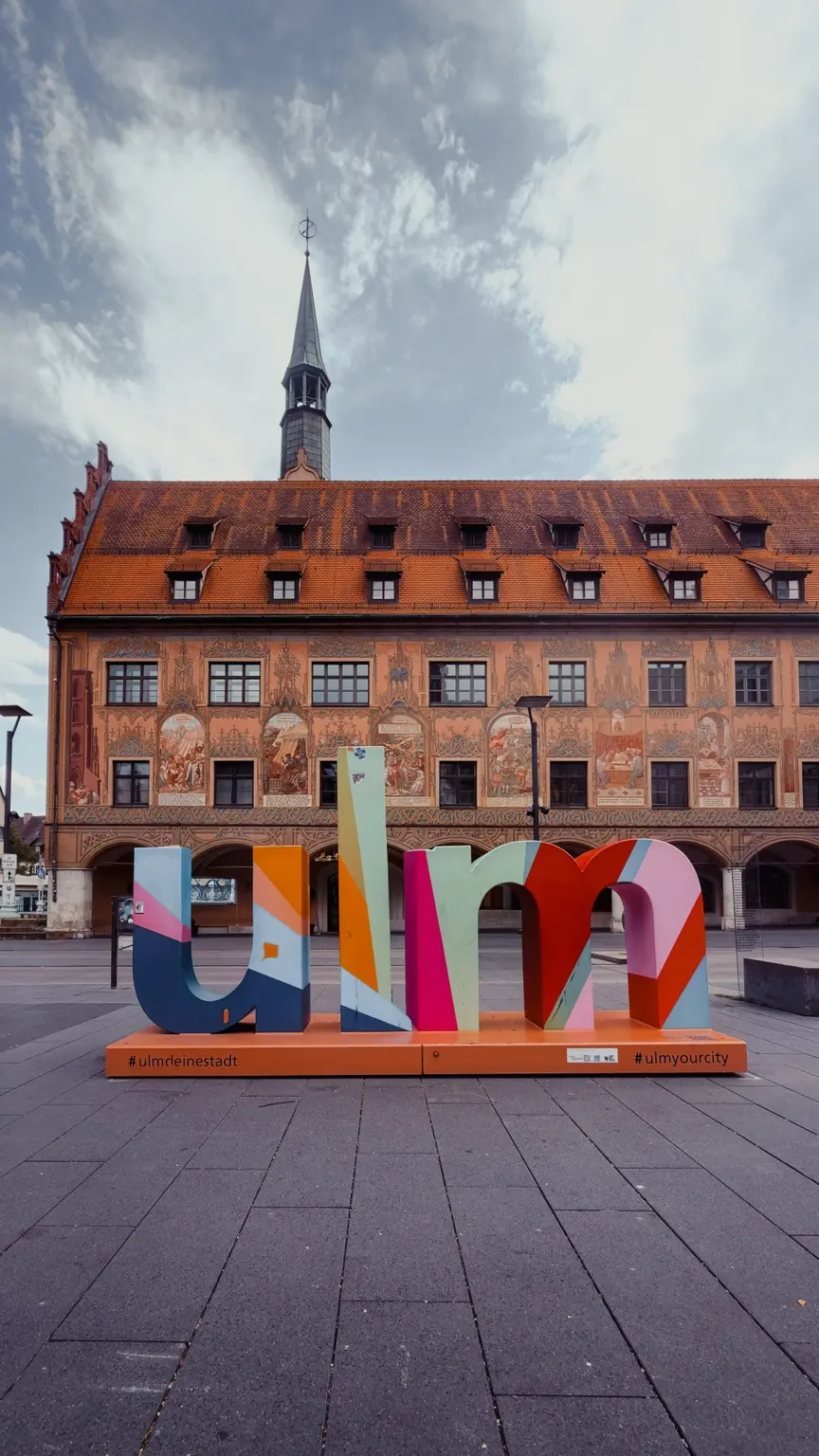
 Own Photo · Checkedout
Ulm is such a city that on paper may not immediately make your heart beat faster. Until you walk around. In the middle of the center, an almost absurdly high church tower blows into the sky, a few blocks further, crooked halfway houses hang over the water and along the Danube you walk out of the hustle and bustle.
Most of Ulm's sights are close to each other. So you can see a lot without running from subway to bus to tram all day long. Put on good shoes, start at the Münster and let go of the route. Ulm is at its best when you consciously go wrong.
The short answer
What are the most beautiful sights of Ulm?
The seven places you can't miss in Ulm are the Ulmer Münster, the streets around the Münsterplatz, the Fischer- und Gerberviertel, the Schiefe Haus, the old Stadtmauer along the Danube, it painted Rathaus and Kloster Wiblingen. The first six can be combined logically during one walk through the center; Wiblings needs some extra travel time.
Not to miss
Start at the Ulmer Münster
You can't really get around the Ulmer Münster. Literally not, because the 161.53 meters high tower resurfaces from almost every street above the rooftops. Construction started in 1377 and was completed in 1890. They obviously didn't have any hurry, but the result may be there.
Until recently, the Münster was known as the highest church in the world. You can still read that on surprisingly many websites, but since 2026 that title has been cancelled: The central tower of the Sagrada Família in Barcelona is now 172.5 meters high. The Münster still has the highest church tower in Germany. And honestly, when you stand on the square and look up, 161.53 meters still feels pretty excessive.
Walk in, too. The interior is much quieter than the exuberant exterior suggests. High vaults, stained glass windows, old choir benches and huge pillars make you slow down by yourself.
If you have any energy left, you can climb the tower. Thanks to the current restoration you arrive via 560 steps to the platform at 102 meters. The higher lookout point at 143 meters is temporarily closed. There is no elevator, so you have to convince those 560 steps yourself. View the current information about the tower climb.

Walk away
Do not pass the narrow streets around the Münster
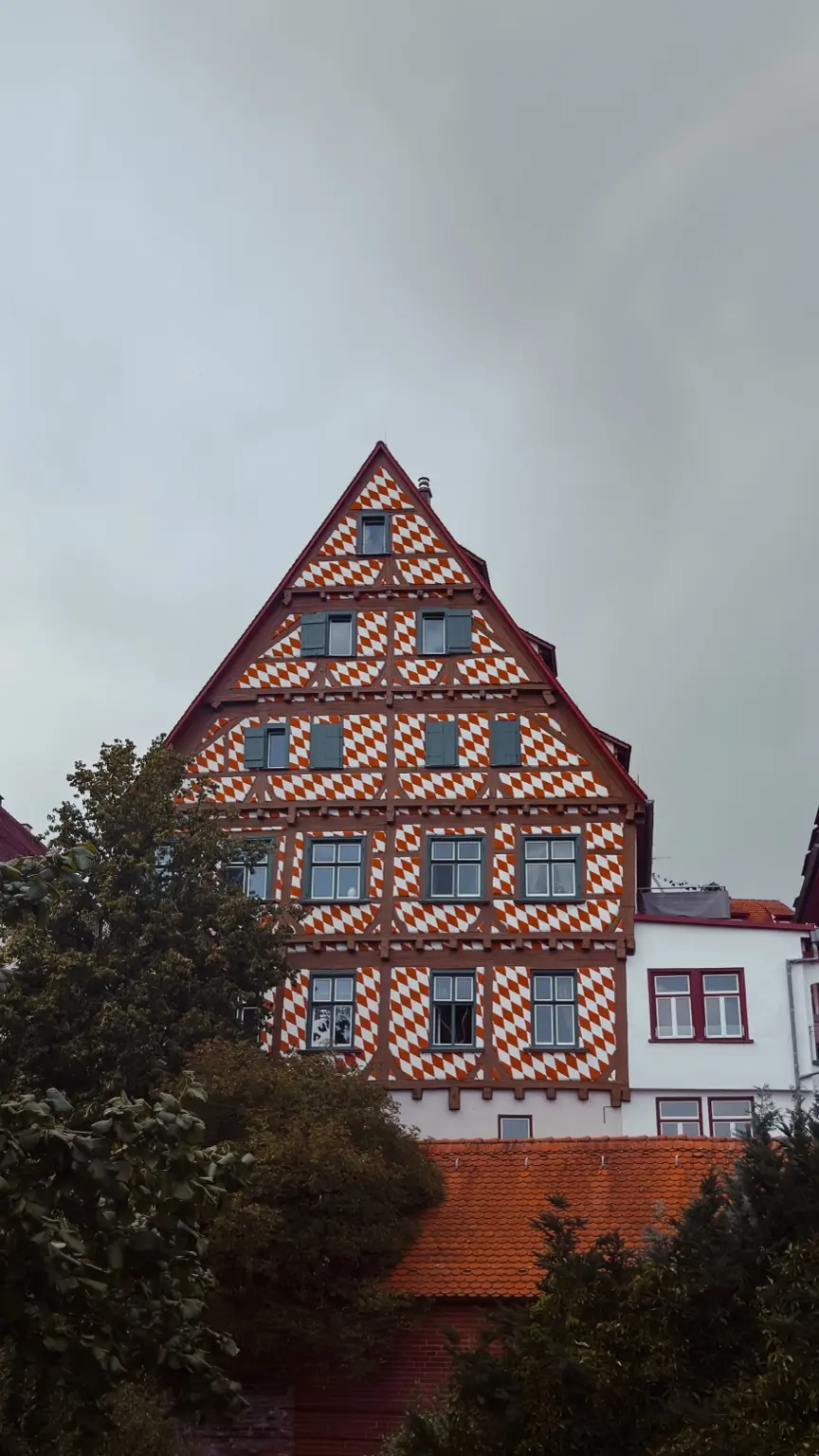
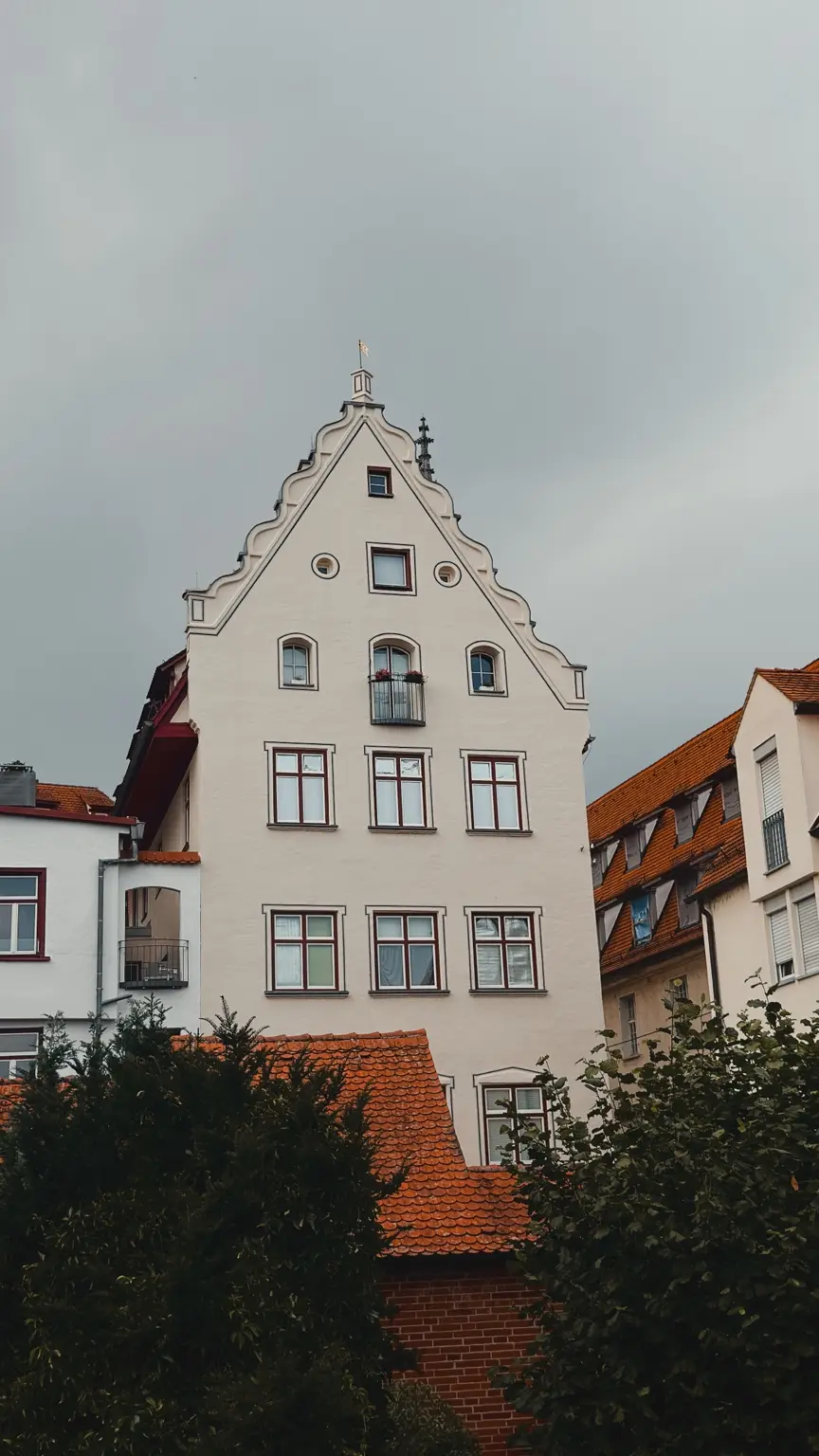
Many visitors watch the Münster, turn around over the square and then continue straight on. Shame, because just the small streets around the church make this part of Ulm fun. Walk towards Platzgasse, Herrenkellergasse and Hafenbad and especially dive into the smaller side streets.
Here you will find old facades, courtyards, small shops and cafes. Often the tower appears suddenly between two buildings. Especially if you like to photograph, you can hang here for quite a while without even checking out one official attraction.
Ulm is not an untouched medieval open-air museum. During World War II, much of the city centre was destroyed. As a result, historic houses sometimes stand right next to modern architecture. Richard Meier's white Stadthaus opposite the Münster is the clearest example of this. Not everyone will like it, but the contrast is certainly not boring.
Best walk
Walk along the water through the Fischerviertel
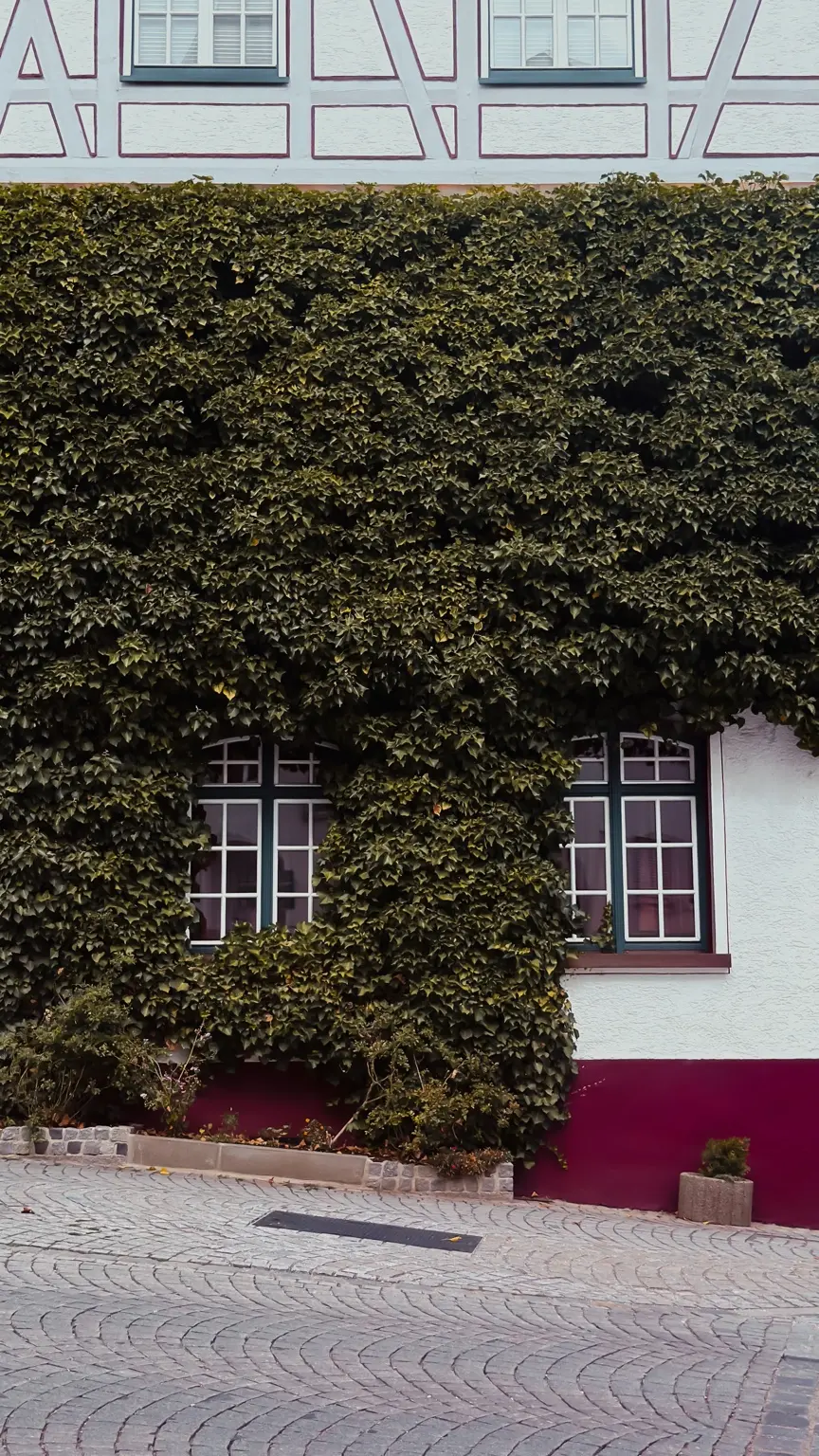
From the Münster you walk in about ten minutes to the Fischer- und Gerberviertel. This is undoubtedly the most cozy piece of Ulm. The Blau flows in narrow arms between half-timbered houses, small bridges and cobblestone streets. Some houses seem to be almost in the water with their toes.
There used to be fishermen, skippers, millers and tanners. The houses were at the same time house and workshop. At some old tanneries you can still see wooden galleries where animal skins were processed and dried. That must have smelled a lot less romantic than it is now.
Walk through the Fischergasse, the Fischerplätzle and the Schwörhausgasse, but don't look too much at your navigation. Just the bridges, strange corners and small passages make the district fun. Nowadays there are restaurants, hotels, galleries and a few craft shops, but fortunately it doesn't feel like a sleek tourist scenery everywhere.
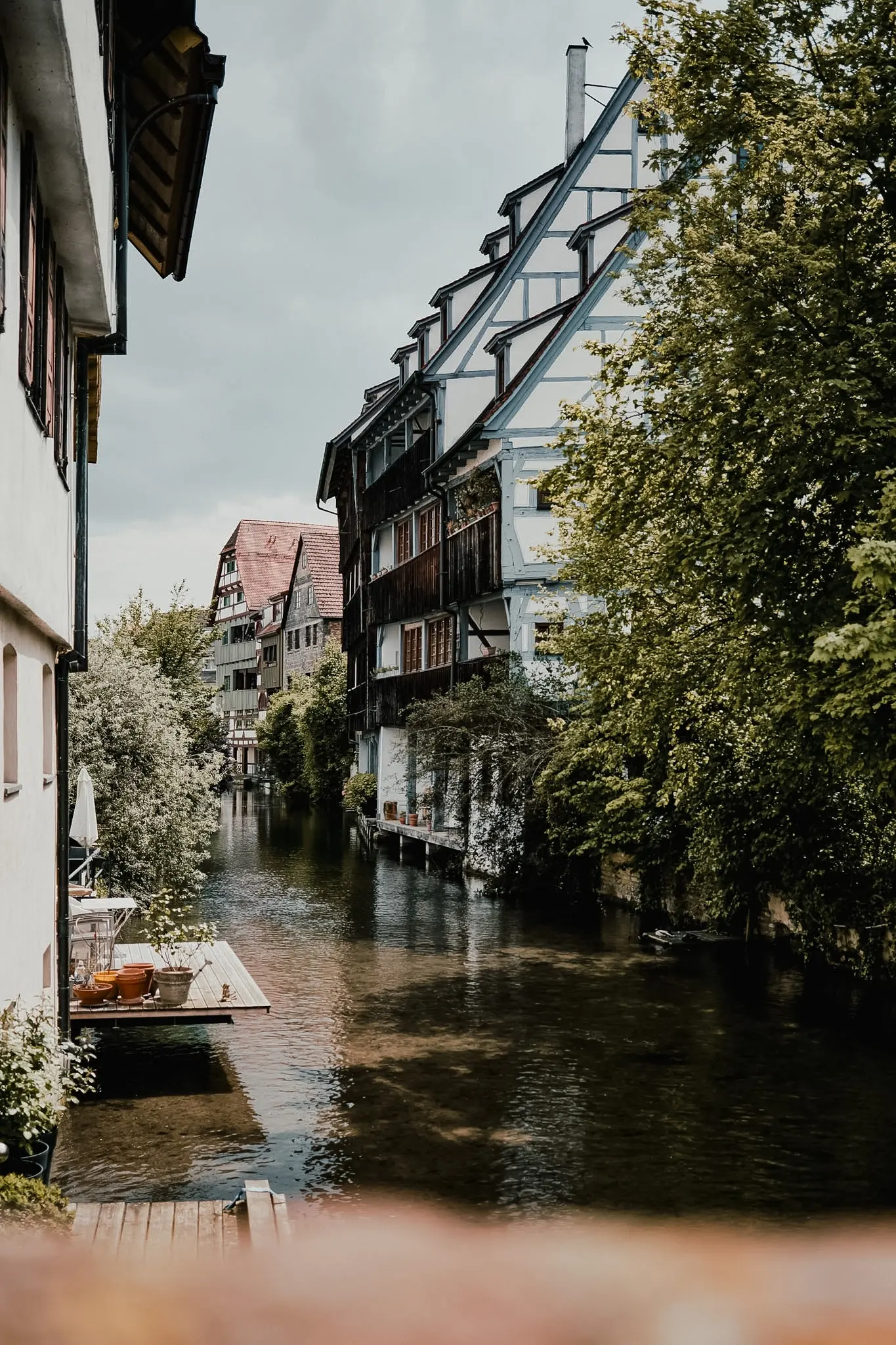
Ulm is not trying to overwhelm you. The city wins you over with water, crooked lines and streets where you just want to go wrong.
Checkedout
Find a compass
The Schiefe Haus: As crooked as it looks
The most famous house in the Fischerviertel is the Schiefe Haus from 1443. And no, the photographer didn't keep his camera wrong. The building is really healing over the Blau. The south side went down over the centuries and the upper floors continued to rise above the water.
The amazing thing is that you can just sleep there: Now there's a hotel in it. The house used to be used by fishermen. In the basement there was even a basin where live fish was kept. This makes it not only a funny crooked house, but also a nice remnant of the way people once lived and worked here.
From the bridge you have the most famous view, but also walk along the side. You can only see how little interest in this house seems to be in water passes. Please note hotel guests; Their front door is not a photo set.
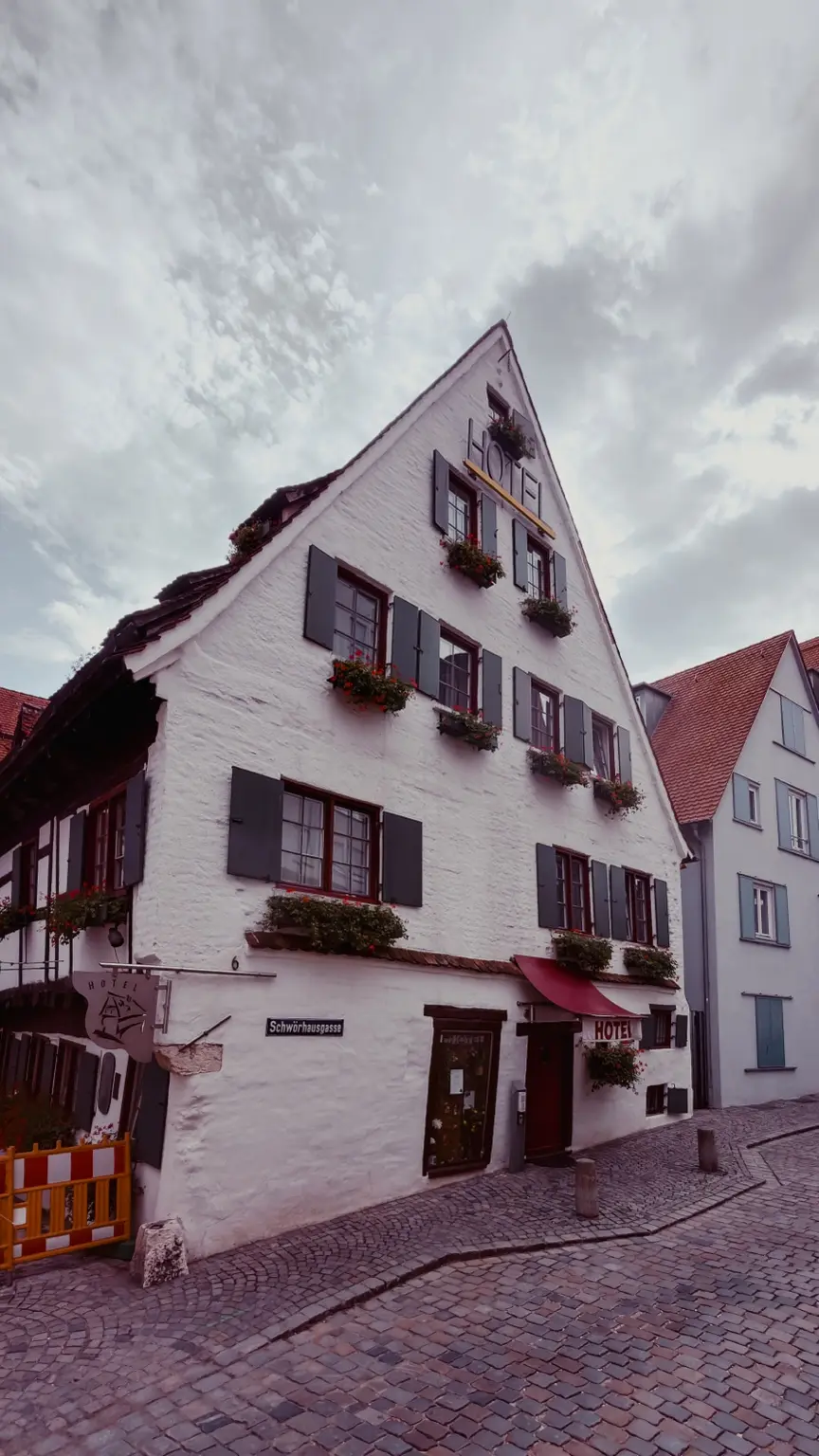
Let's see.
Walk along the old city wall along the Danube
After the narrow streets of the Fischerviertel, the Danube is a nice variety. Via the old Stadtmauer you walk with on one side gardens and old houses and on the other side the river and the Donauweide. Across the street is Neu-Ulm. On the bridge you cross not only the Danube, but also the border between Baden-Württemberg and Bavaria.
The city wall was built just before 1480 and stood directly on the water. In the wall there are still iron rings on which boats were captured. The strip of grass between the wall and the current river did not develop until later due to sludge.
Walk to the Metzgerturm. Also this old defense tower is visibly tilted. According to local legend, sausagemakers were once locked up who had made their sausages too small. When a furious mayor came in, they would all have jumped from fear to the same side, after which the tower collapsed. Historical evidence: zero. Amusing story: absolutely.
At the end of the afternoon this is one of Ulm's most pleasant places. Sit on the wall, look at the boats and possibly walk over the Herdbrücke to Neu-Ulm. From the other side you can see the Münster standing out above the city.


Look at the details
Check out the colourful Rathaus van Ulm
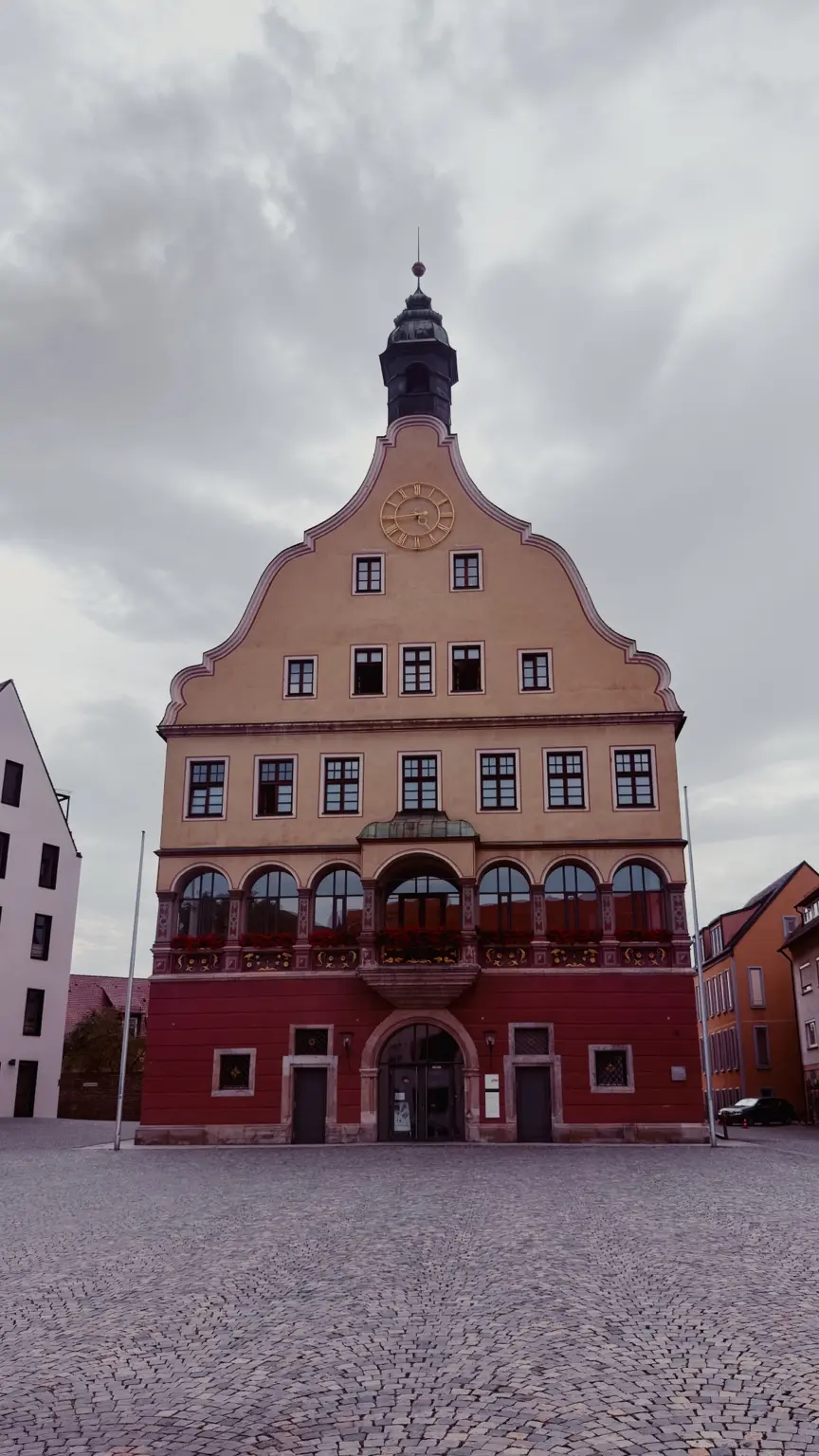
The Rathaus doesn't look like a building where someone quietly applies for a municipal permit. The facade is full of colors, figures and painted stories. The oldest part was built around 1370 as a trading house and has been used as a town hall since 1419.
Especially look at the astronomical clock on the east side. It was applied around 1520 and shows astronomical information. The paintings you're seeing today are largely from 1900. Then the weathered old images were restored and partly refilled.
Inside is a replica of the aircraft of Albrecht Ludwig Berblinger, better known as the Schneider von Ulm. In 1811 he tried to fly his self-built glider over the Danube. That didn't exactly go according to plan, but later his idea didn't turn out so crazy.
Right next to the Rathaus stands the glass pyramid of the Stadtbibliothek. The combination is a bit strange, but therefore interesting: an exuberantly painted town hall and a modern glass library to share one square.
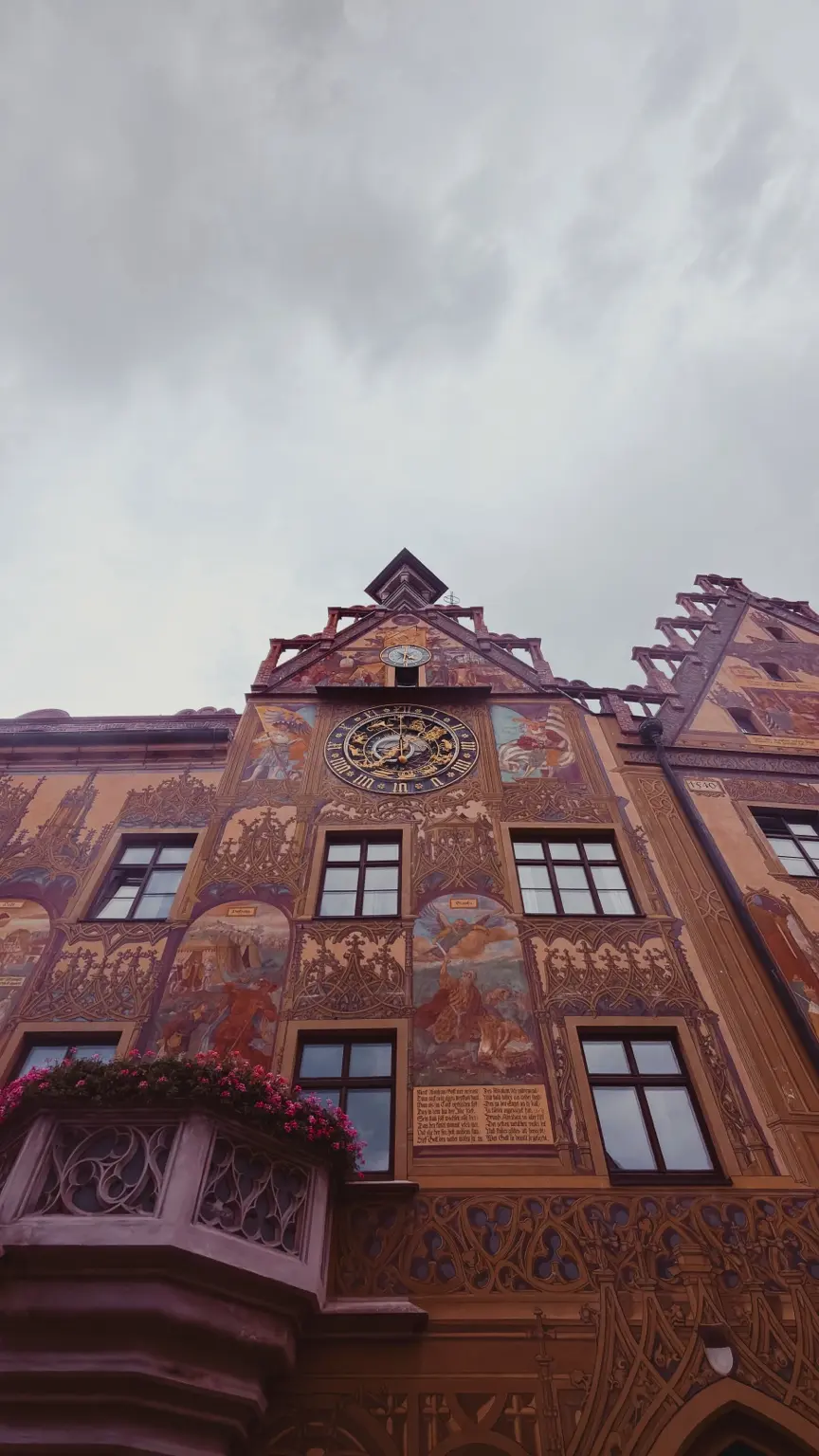
For those who have time left
Kloster Wiblings is worth the detour
Kloster Wiblingen is located outside the center and therefore fits less easily into a fast city walk. If you only have a few hours in Ulm, I'd save it for next time. If you have a full day or a weekend, the library is especially worth the detour.
The baroque hall is everything a modern library is not: fresco... sculptures, gilded details, marble impressions and almost no empty space. The whole is more like a party room than a room where books were ever studied. Subtle is different, but it's impressive.
In the Museum im Konventbau you will discover how the former Benedictine monastery functioned. Wiblings was not only a place of prayer, but also a large economic company on which many people in the area depended.
Bus 3 and 8 drive from Ulm towards stop Pranger. The library and museum have different opening hours per season. The Basilika St. Martin is expected to be restored until about 2028 and is restricted. Therefore, check the up-to-date visitor information from Kloster Wiblingen.

Bonus Stop
The rather quirky Einstein-Brunnen
Albert Einstein was born on 14 March 1879 in Ulm, but moved to Munich with his family after about fifteen months. His birthplace no longer exists. On the original site at Bahnhofstraße 20 there is only a memorial stone.
The Einstein-Brunnen at the Zeughaus is more fun to watch. There a bronze Einstein sticks his tongue out above a rocket head. Not a stately tribute, but one you remember. Since 2024 Museum Die Einsteins on the Weinhof has been able to discover more about his family and the relationship with Ulm.
Not 13-in-a-dozen.
Nice and real local shops in Ulm
Ulm has the same chain of stores as any other German city. You don't have to travel for that. These addresses are more interesting when looking for something local or handmade.
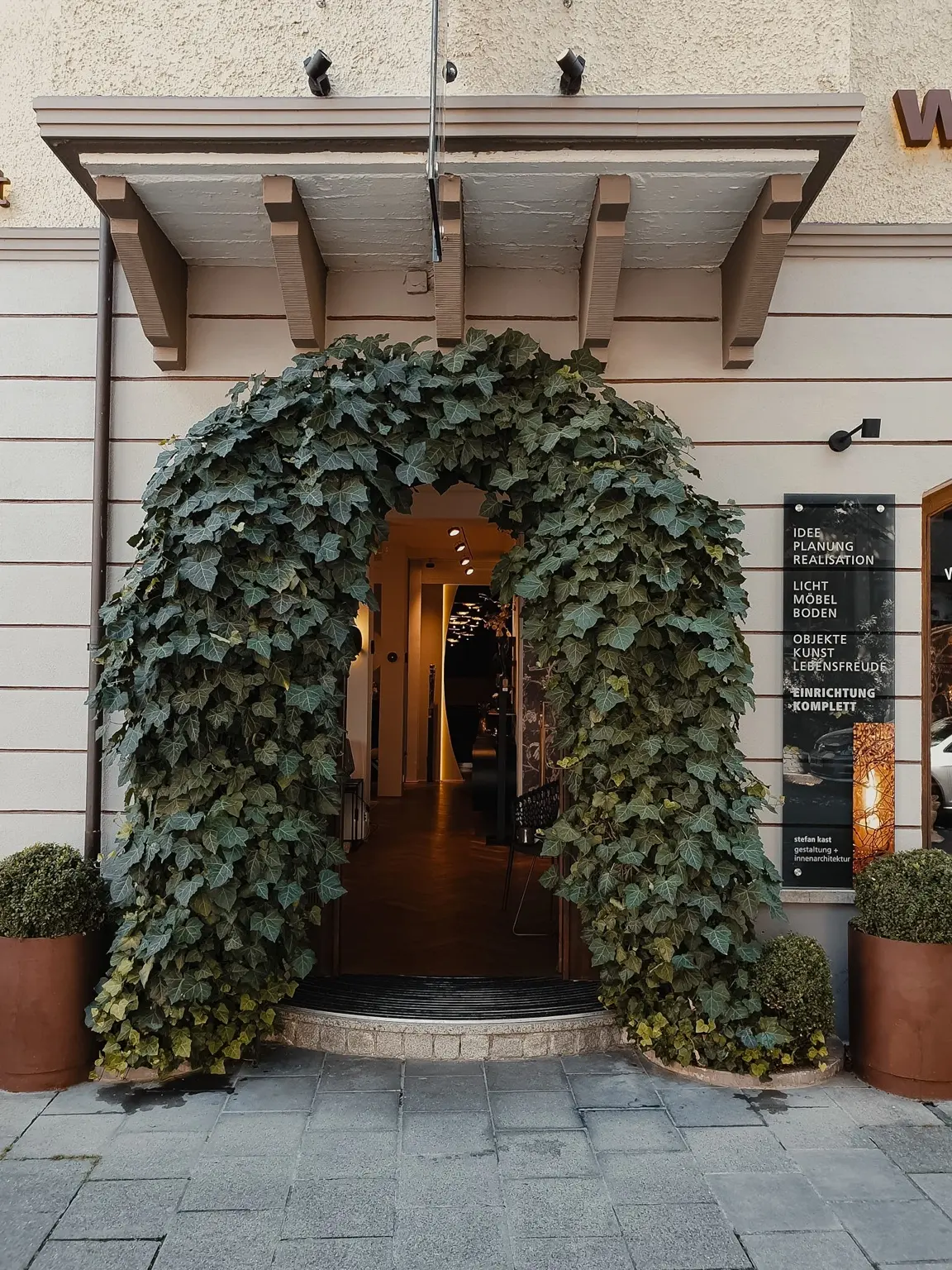
Olivera Mola Naturkosmetik
Handmade vegan soaps, skin products and scented candles. Not a huge shop where you are an hour sweet, but a nice address for a small gift that does not come from a standard souvenir church.
View the store .The Münstershop
A church shop may sound a little dusty, but this one is surprisingly nice. You will find regional products, 3D printed gargoyles and sometimes even stone fragments that were released during restorations.
Further informationOchsen Shop
The shop of the Ulmer brewery Gold Ochsen sells local beers, glasses and brewery products. Still a souvenir shop, but one true Ulm is actually in the bottle.
View the opening hours .Seeberger Genusswelt
Seeberger comes from Ulm and has its own shop, café and restaurant. Nice if you still go that way by bike or car; From the old town, I wouldn't travel back and forth especially for it.
Further informationUlm in one day
That's how I'd walk the route
- 9 a.m.Start at the Münster, see the church and climb the tower.
- Late morningWander the streets around the Münsterplatz and take the market with you on Wednesday or Saturday.
- LunchWalk through the Rathaus to the Fischer- und Gerberviertel and find a nice terrace.
- AfternoonSee the Schiefe Haus, walk along the Blau and follow the city wall towards the Danube.
- Last stopCross the Herdbrücke for the view. Then choose between the Einstein-Brunnen and Wiblingen; both of them can, it doesn't relax.
Before departure
Practical tips for Ulm
- How much time?One day is enough for downtown. With Wiblings and a museum there are two days more pleasant.
- All running?Almost all the sights in the city centre are within walking distance. The bus, bike or car is more convenient for Wiblingen only.
- Best time to travel?Spring and early autumn are nice for long walks. In December the Münsterplatz is atmospheric, but quite busy through the Christmas market.
- Cross the river.From Neu-Ulm you get one of the most beautiful views of the skyline. It takes little time and a lot of visitors skip it anyway.
- Check work.Both the Münster and Kloster Wiblingen are restored. What's open today can disappear behind a dock during your visit.
FAQ
Convenient to know about Ulm
What do you need to see in Ulm?
Don't miss the Ulmer Münster, the Fischer- und Gerberviertel, the Schiefe Haus, the Rathaus and the walk along the city wall along the Danube. With extra time, the Baroque library of Kloster Wiblingen is worth it.
Is Ulm fun for a city trip?
Yes, especially when you love ancient architecture, water and cities that you can easily view on foot. Ulm has enough to see for a full day, but does not feel as busy and overwhelming as the most famous German city trip destinations.
Can you see Ulm in one day?
In one day you can see all the major sights in the center. Do you also want to visit Kloster Wiblingen, visit a museum and walk along the Danube, rather plan a weekend.
Is the Ulmer Münster still the highest church in the world?
No. The Ulmer Münster has a tower of 161,53 meters and is still the highest church tower in Germany. The central tower of the Sagrada Família in Barcelona reached an altitude of 172.5 meters in February 2026.
Can you climb the Ulmer Münster tower?
Yes. Due to restoration work you can currently walk through 560 stairs to the platform at 102 meters. The higher platform at 143 meters is temporarily closed. There is no lift and in bad weather the tower can temporarily close.
Where's the Schiefe Haus?
The Schiefe Haus is located on the Schwörhausgasse 6, in the middle of the Fischer- und Gerberviertel. From the Münster you walk there in about ten minutes.
Our final judgment
Is Ulm worth a visit?
Ulm's probably not gonna occupy you for three weeks and that's exactly the charm. In one compact city you get a giant gothic tower, half-timbered houses by the water, strange crooked buildings, a colourful town hall and a nice walk along the Danube. The Münster attracts your attention first, but the quieter moments between the main sights make the city the most fun.
Historical and practical information has been checked at the official websites of Tourismus Ulm/Neu-Ulm, the Ulmer Münster and Kloster Wiblingen. Opening hours and accessibility may change; Check them right before they leave.